Handmade in Arizona
Copper Cuff Bracelets, Handmade in Arizona
Open raw copper cuffs with visible texture, a warm weight, and room for the material to become yours.
Shop copper cuffs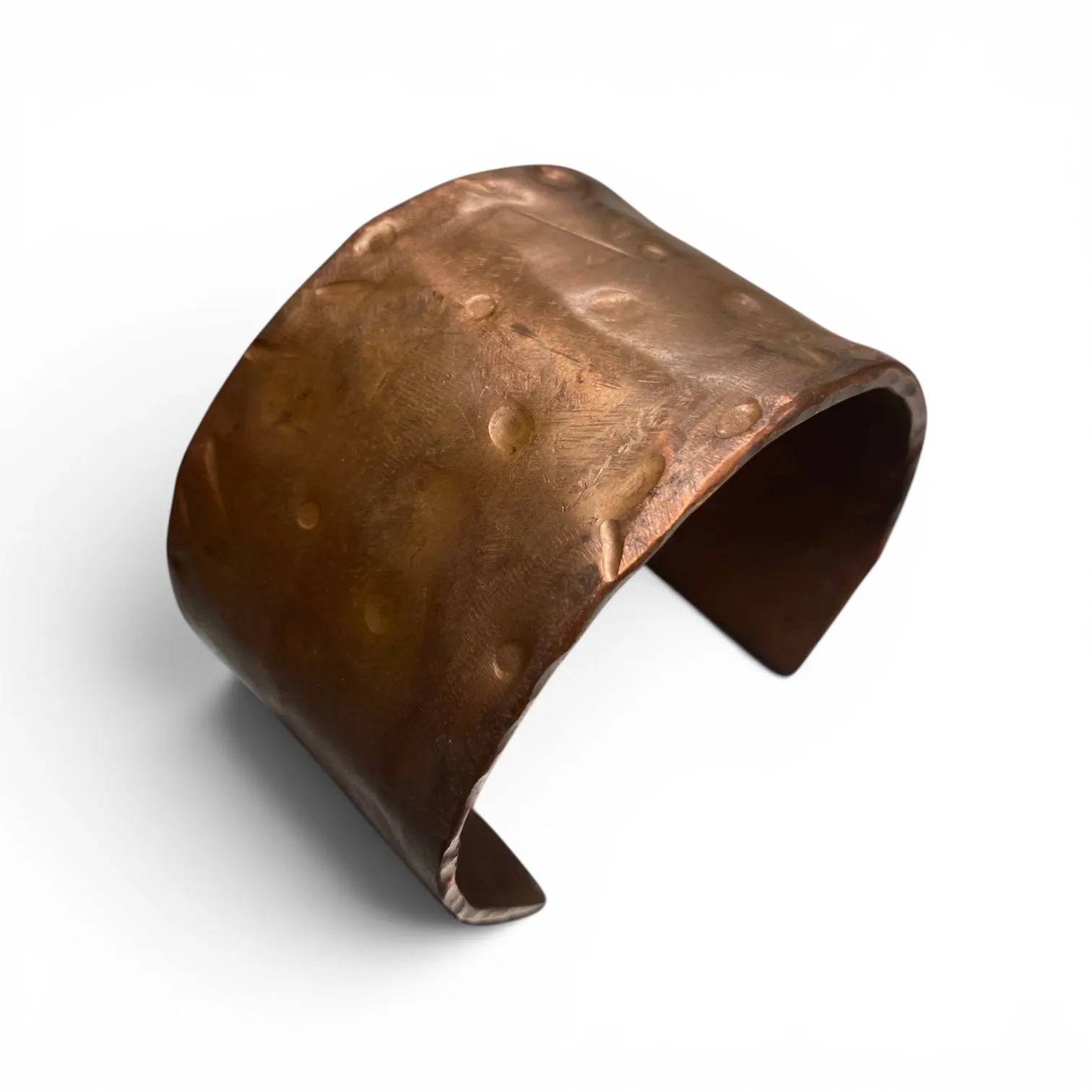
An open form
A cuff that feels present, not precious.
A copper cuff bracelet has a simple job: make one strong line at the wrist. Its open shape slips on without a clasp, and the metal sits close enough to be noticed whenever you reach, work, or settle your hands on a table. In raw copper, that direct form becomes even more expressive. The color is warm from the start, while the surface holds light in the small marks left by handwork.
Yavaworks makes cuffs for customers who like their jewelry straightforward and tactile. The copper stays visible. A hammered mark, a softened edge, or a change in sheen is not hidden under a heavy polish. Those details give the piece its rhythm. The result can be substantial without feeling overdone, and simple enough to become part of what you wear often.
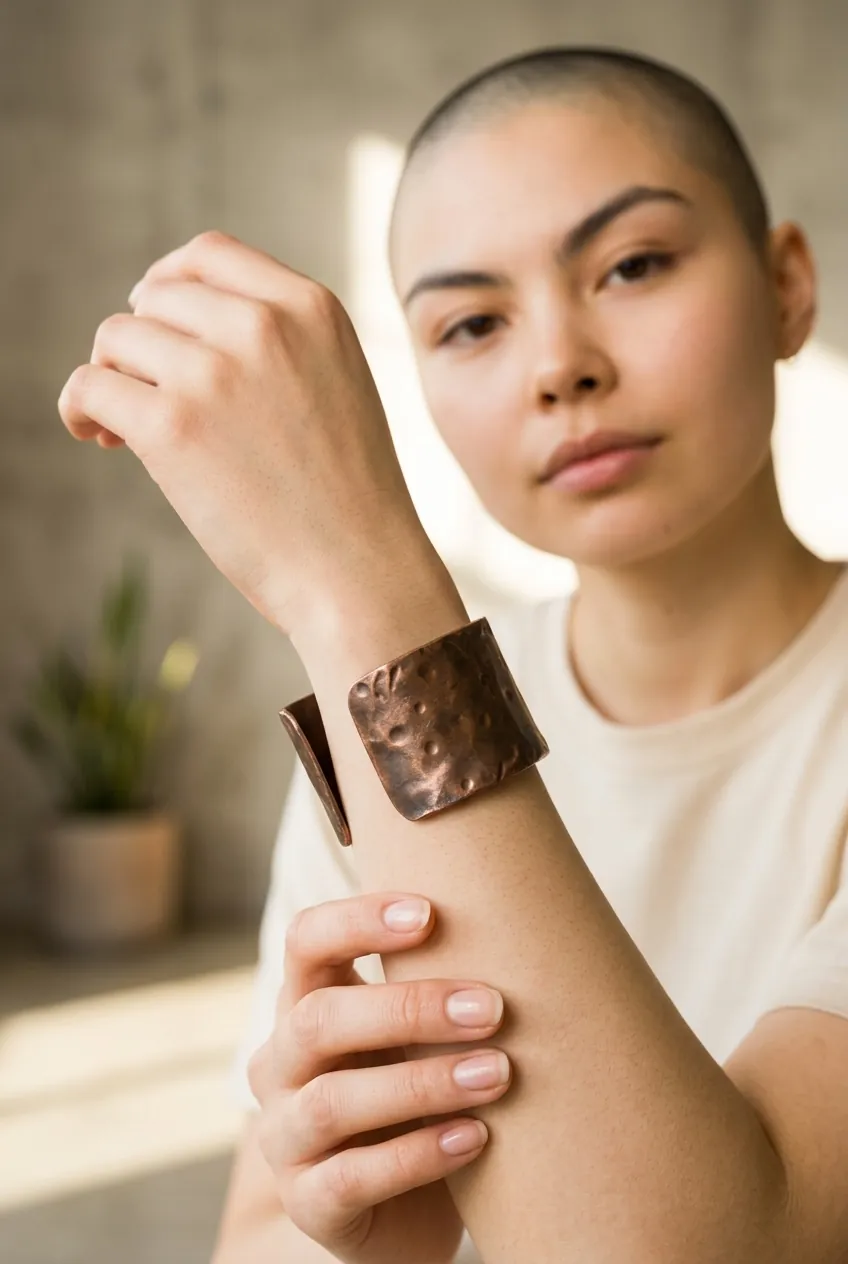
Raw copper, shaped by hand
Let the surface catch the light.
Flat, perfectly uniform metal has its place. A handmade copper cuff offers something quieter and more human. As the wrist turns, the surface picks up light differently across textured areas and smoother stretches. You see the warmth of the copper first, then the small variations that keep the bracelet from feeling stamped out.
That is why an open cuff does not need much ornament. The curve, the weight, and the worked surface already give it presence. Wear one on its own when you want the material to have space, or let it sit beside rings and other familiar pieces. The look remains grounded because the form is so direct.
Choosing your cuff
Start with fit, then follow the details.
Read the dimensions
Every wrist is different, and an open cuff should feel easy rather than tight. Begin with the listed length and width on the individual product page. Comparing those measurements with a bracelet you already wear well gives you a more useful reference than guessing from a photograph.
Choose your presence
A wider cuff creates a stronger band of copper at the wrist. A slimmer form can settle into an everyday stack. Look at the stated weight too. It helps describe how substantial a piece may feel once it is on, especially when you are choosing between a light accent and a more deliberate line.
Let texture lead
Texture changes the mood of a cuff. Hammered marks bring movement and shadow. Smoother areas let the copper tone do more of the work. There is no right finish to choose. The better question is whether you want the surface to read quietly from a distance or keep revealing itself as you move.
Made for real wear
One clean line, made personal over time.
The open shape of a cuff makes it feel immediate. There is no chain to tangle and no clasp to hide beneath the wrist. Just a continuous curve of copper, shaped to sit where your sleeve ends and your hands begin. That clarity makes a cuff easy to reach for, whether you are dressing simply or using it as the one warm metal in a mix of materials.
Raw copper also carries the record of use in a way polished jewelry often tries to avoid. Air, moisture, skin oils, and the rhythm of a day can deepen the color in small places. A bright area may soften. A darker edge may emerge around a hammer mark. Those shifts are part of why copper feels alive. They turn a made object into something that gradually looks more like it belongs with you.
That does not mean a cuff asks you to be careless with it. Take it off before swimming, showering, exercising, or working with cleaning products. Keep it dry between wears. When it needs attention, begin with a soft dry cloth. A little regular care preserves the texture and keeps the material comfortable without demanding that it stay exactly as it was on the first day.
Look closely at the opening as well as the band. The small gap is what gives a cuff its ease, but it should not make the bracelet feel loose or unstable. When you compare dimensions, imagine the piece meeting the side of your wrist rather than hanging from it. A cuff with a considered curve feels deliberate from every angle. It stays visible when your hands are still, then catches a flash of warmth when you move.
That balance is what makes copper cuffs useful beyond one kind of outfit. They can add structure to soft layers, bring warmth to darker fabric, or keep a simple shirt from feeling unfinished. Because the color comes from the metal itself, it has depth without needing a bright stone or a shiny coating. The cuff remains the same honest object: a shaped piece of copper, made to be worn.
How to wear it
Give the copper room to speak.
A copper cuff can be the whole story at the wrist. Let it sit against a rolled sleeve, a soft knit, or bare skin when you want the warm tone to stand on its own. The open form frames the wrist rather than covering it, so even a substantial cuff can feel clean and uncluttered. It is an easy choice when you want one piece with enough weight to change the balance of an outfit.
It also works beside the things you already wear. Pair it with a copper ring to repeat the material across the hand, or let it be the counterpoint to silver, brass, leather, or a watch. There is no need to make every metal match. The shared feeling matters more: pieces with honest surfaces and useful forms tend to sit together naturally.
For a gift, the dimensions are the detail worth checking twice. An open cuff gives a little visual flexibility, but it should still start close to the wearer’s usual fit. If you are choosing for someone else and the measurements leave you uncertain, asking about the available piece before you order is the sensible move. A good cuff should feel like it was meant to be reached for, not saved for a special occasion.
Care that keeps its character
Keep the ritual simple.
After wearing a copper cuff, give it a gentle wipe with a soft dry cloth and store it somewhere dry. That small habit helps remove ordinary skin oils and moisture before they settle into texture or around an edge. If the piece needs more than a wipe, use a lightly damp cloth with mild soap, then dry it fully. There is rarely a reason to rush toward a harsh cleaner.
It is also worth resisting the urge to bend a cuff back and forth. Copper is workable, but repeated force can gradually change the line of a bracelet or put stress on a textured surface. Choose the best size available, treat fit adjustments as small and considered, and let the piece keep the shape it was given at the workbench.
Read copper care notes →The collection
Find a copper cuff that feels right at your wrist.
See the current handmade pieces, their dimensions, weights, and individual details in the Yavaworks collection.
Frequently asked questions
Copper cuff bracelet questions, answered.
What is a copper cuff bracelet?
A cuff bracelet is an open bracelet that wraps around the wrist without a clasp. The opening makes the form direct and easy to put on, while the copper gives it a warm color and a surface that changes gently with wear.
How should a copper cuff bracelet fit?
A cuff should feel secure without pinching or needing to be forced into place. Check the dimensions on the individual product page and compare them with a bracelet you already enjoy wearing. If you are between sizes or unsure about a particular piece, contact Yavaworks before ordering.
Can I adjust a copper cuff bracelet?
Copper is a softer metal, but repeated bending can stress any bracelet and can change the line or texture that makes a handmade piece distinct. Choose the best fit available, then make only small, careful adjustments when truly necessary.
Will a raw copper cuff bracelet change color?
Yes. Raw copper responds to air, moisture, skin oils, and everyday routines. It may develop deeper or warmer areas over time. That surface change is a natural part of wearing copper, not a defect that needs to be polished away.