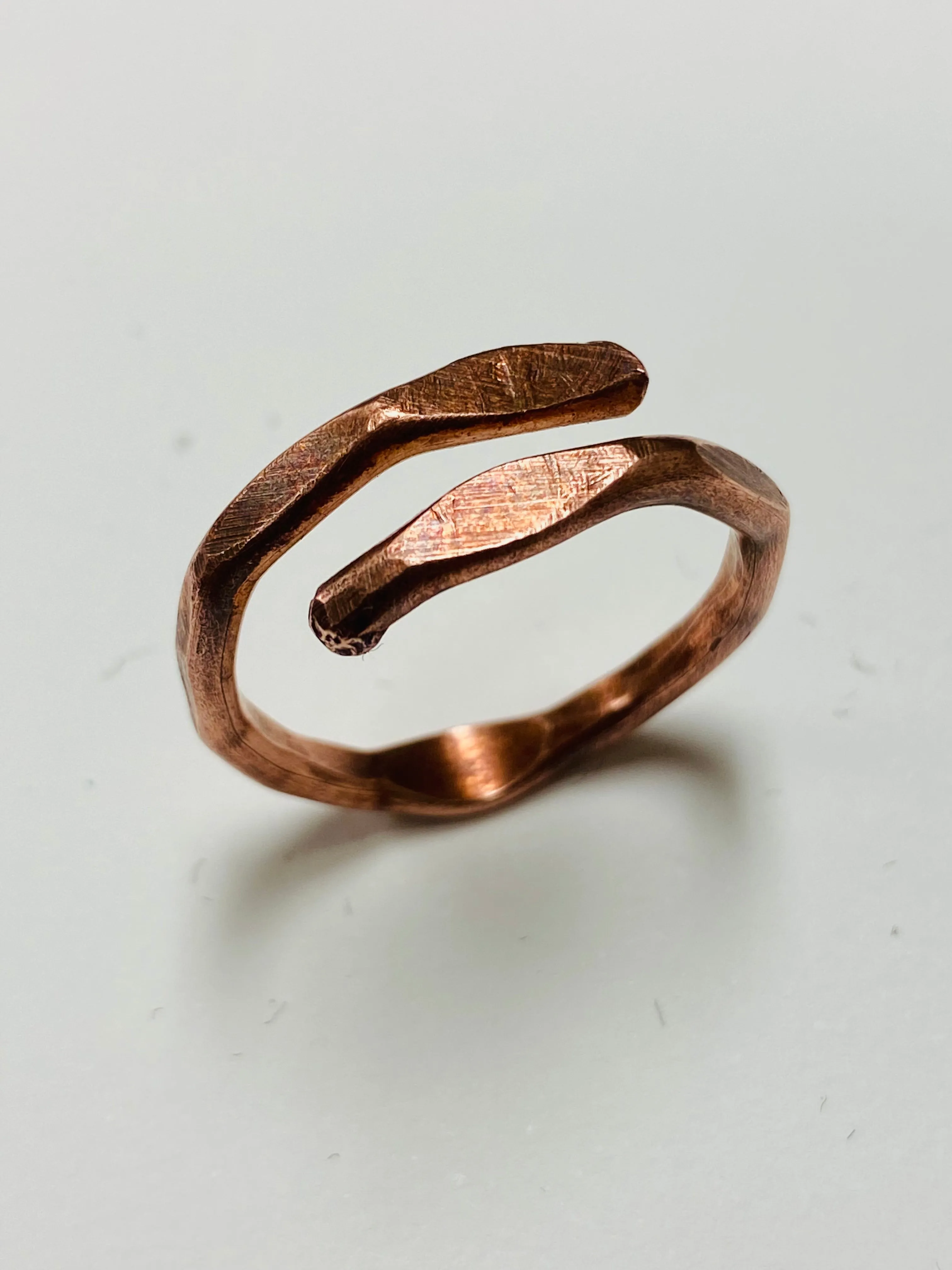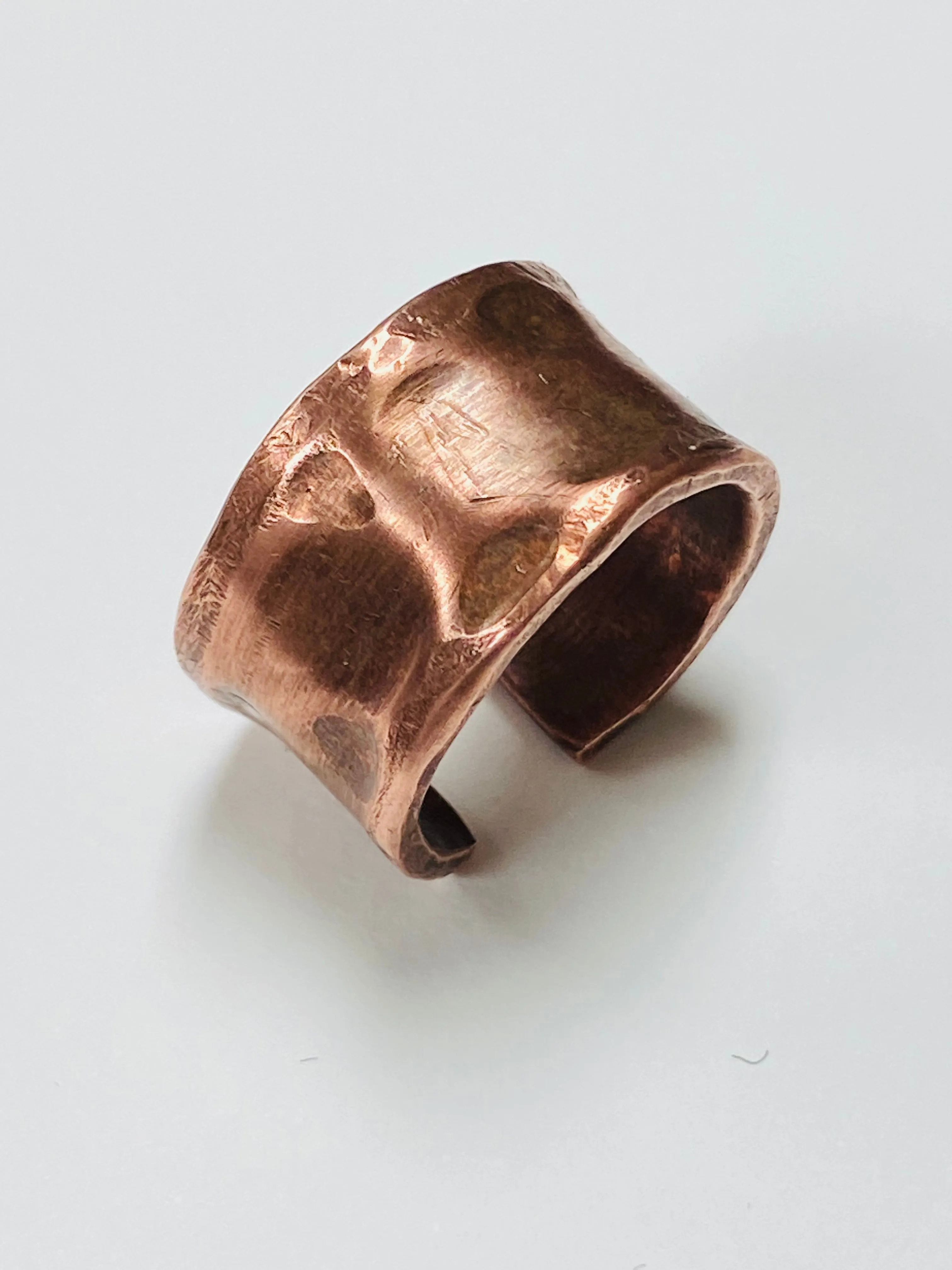
Copper has a warm, direct presence on the skin. For many customers, that is part of the appeal. It can also raise a reasonable question: if a ring, cuff, or pair of earrings leaves color behind or feels uncomfortable, is the copper to blame?
Sometimes the answer is simple. A green mark can be a temporary surface reaction between copper and everyday moisture. A true skin reaction feels different: itch, soreness, swelling, persistent redness, blisters, or a rash that returns each time the piece is worn. It is worth separating those experiences because comfort comes before keeping a piece on.
A green mark is usually not an allergy
Raw copper can react with sweat, water, skin oils, lotion, sunscreen, fragrance, and cleaning residue. The resulting compounds can transfer a blue-green color to skin, especially beneath a close-fitting ring or cuff. The mark can look alarming, but it is usually temporary and washes away with gentle soap and water.
That transfer does not prove that a piece is harming your skin, and it does not prove that every copper item will do the same. Weather, activity, fit, and your routine all change the conditions at the surface. Our guide to copper and green skin marks explains the everyday side of that reaction in more detail.
The key distinction is how your skin feels. A mark that washes away without discomfort is not the same as an itchy, burning, tender, or spreading area. If the skin is unhappy, remove the jewelry. Do not keep testing your way through a reaction.

Skin irritation needs a wider look
Jewelry is rarely one material in every detail. A copper body might be paired with plated ear wires, a clasp, solder, a chain, a coating, or an alloy. For customers who react to metal, the small parts can matter as much as the visible copper. That is why a clear product description is more useful than a broad label such as “copper jewelry.”
The American Academy of Dermatology notes that nickel is a common cause of allergic contact dermatitis, and jewelry can be one source of exposure. A reaction under earrings, rings, watches, necklaces, or bracelets does not identify the exact metal at home. It does tell you to stop wearing the item and take the pattern seriously.
Copper itself can be involved in skin reactions for a small number of sensitive people, but it is not useful to diagnose that from a photograph or a single afternoon of wear. The CDC’s toxicological profile for copper records reports of contact dermatitis in some individuals. A dermatologist is the right person to help sort an allergy from irritation or another skin condition.
What a reaction can look like
Pay attention to the area where the jewelry touches. Itching, redness, dry or scaly skin, swelling, small bumps, cracking, blisters, and tenderness all point beyond ordinary color transfer. A rash may appear underneath a ring, behind an earring, along a necklace line, or where a cuff sits against the wrist. It can also arrive after the jewelry comes off.
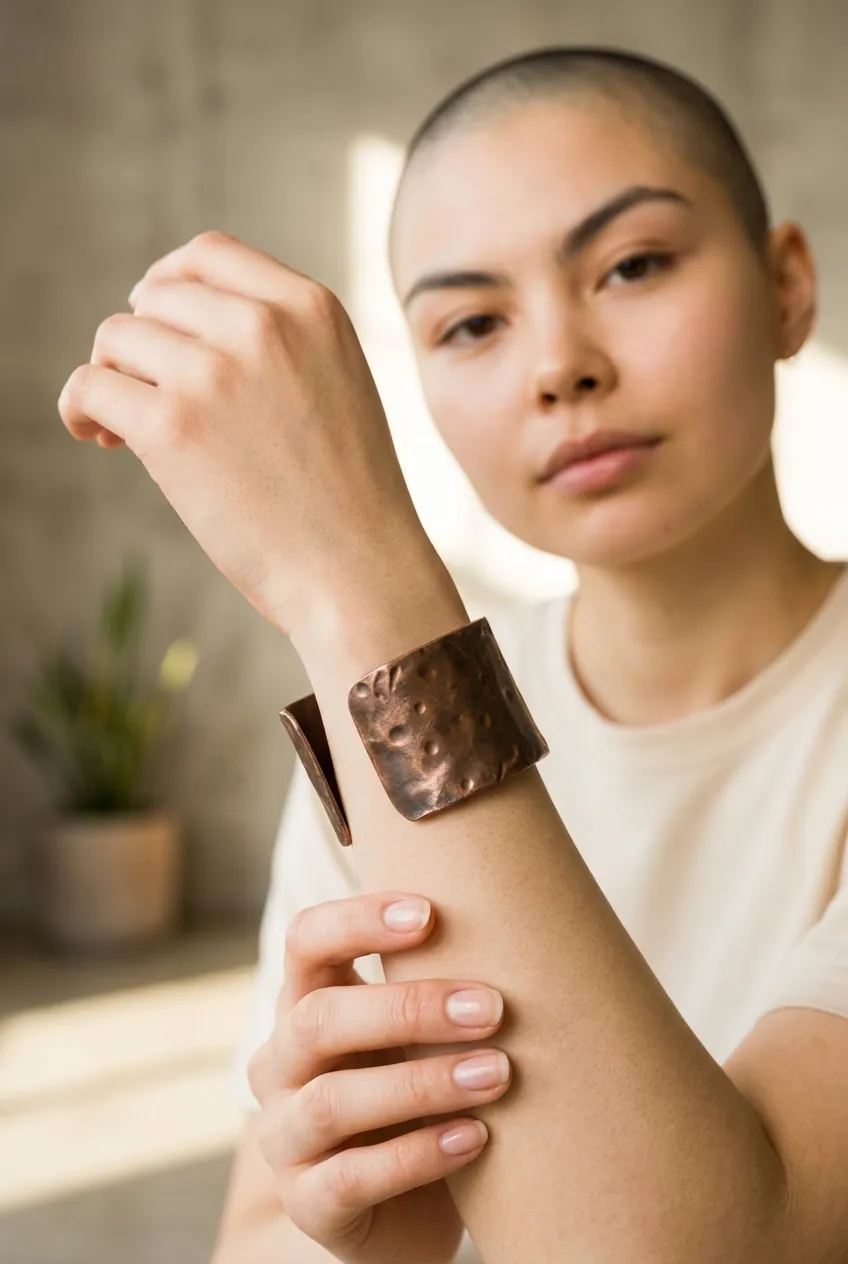
Fit can amplify the problem. A ring that traps water and soap, a cuff worn tightly in heat, or earrings that stay in during a workout create a warm, damp contact area. That can irritate already-sensitive skin even when there is no allergy. Remove the piece before bathing, swimming, exercise, or applying products, then dry both the skin and jewelry before wearing it again.
If the rash clears after you stop wearing one item and returns when it goes back on, treat that as useful information, not a challenge to overcome. The Academy’s guidance on contact dermatitis recommends stopping the suspected item and seeking professional care when the pattern returns.
A calm comfort routine
Start with clean, dry skin and a clean, dry piece. Let lotion, sunscreen, fragrance, and hand sanitizer settle before putting jewelry on. Take rings and cuffs off for water, heavy sweat, and household cleaning. A quick wipe with a soft dry cloth after wear removes moisture and residue without forcing the copper back to a factory-bright finish.
Give new jewelry a short, ordinary wear window instead of sleeping in it or wearing it through a long workout. Notice the skin when the piece comes off. If it is comfortable, you can keep the routine simple. If it repeatedly leaves soreness or a rash, pause. Stronger cleaners, abrasive polishing, nail polish barriers, and improvised coatings are poor substitutes for listening to your skin.
For regular maintenance, the everyday copper care guide keeps the focus on gentle wiping, dry storage, and a surface that can change naturally. The goal is not to make raw copper behave like a coated material. It is to keep the piece clean and comfortable to wear.
When to ask for medical advice
Take jewelry off immediately if you have pain, swelling, blistering, an open or weeping rash, signs of infection, or symptoms that are worsening. Seek timely medical care for severe symptoms, widespread hives, difficulty breathing, or swelling of the lips, face, or throat. Those symptoms deserve urgent attention and should never be treated as routine jewelry sensitivity.
For a recurring local rash, a clinician or dermatologist can help identify whether a metal, product, or another condition is involved. Patch testing may be useful when an allergy is suspected. Bring the piece or its material details if you have them, including information about ear wires, clasps, plating, and alloys.
How Yavaworks helps
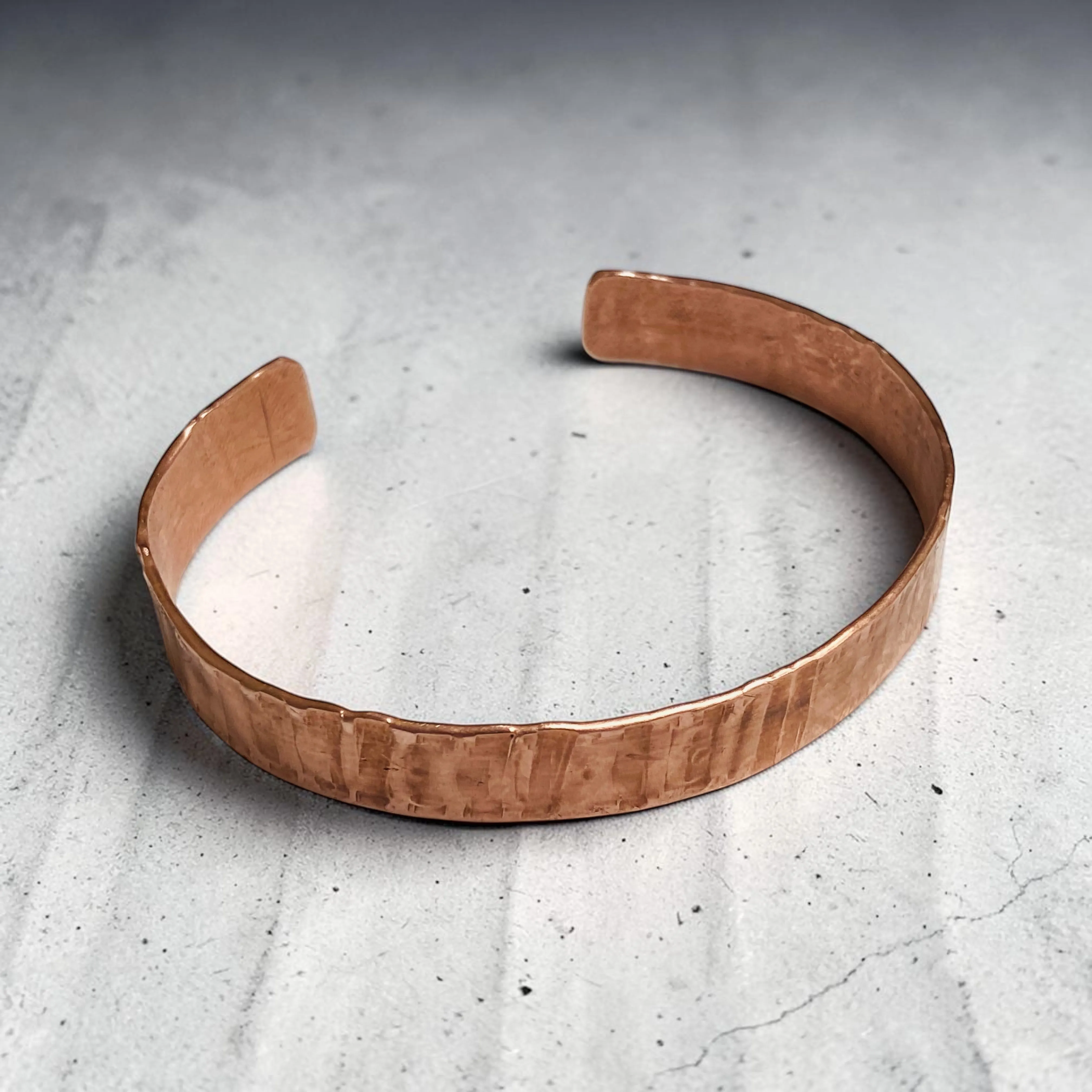
Yavaworks makes raw copper jewelry for customers drawn to the metal’s warmth, weight, and visible handwork. The current collection shows available pieces, while Our Craft offers a closer look at the work behind them. If you have known metal sensitivities, read the individual material details carefully and choose comfort over any piece. Jewelry should feel good to wear.
Frequently asked questions
Can copper jewelry cause a rash?
A rash under any jewelry deserves attention. Copper sensitivity can occur, but another metal, moisture, soap, fragrance, or close fit may also irritate skin. Remove the piece and seek a clinician’s advice if the rash persists, returns, blisters, becomes painful, or looks infected.
Is green skin from copper jewelry an allergy?
Usually, a temporary green mark is surface transfer rather than an allergy. It can happen when copper meets sweat, water, lotion, or fragrance. It should wash away gently. Itching, swelling, tenderness, or a spreading rash are different signals.
What metal in jewelry most often causes an allergy?
Nickel is a common cause of allergic contact dermatitis from jewelry. A piece described as copper may still use other metals in ear wires, clasps, chains, solder, plating, or an alloy.
Should I coat copper jewelry if my skin is sensitive?
A coating can wear unevenly and may hide the real cause of a reaction. If a piece repeatedly irritates your skin, stop wearing it. A dermatologist can help identify the trigger with patch testing when appropriate.